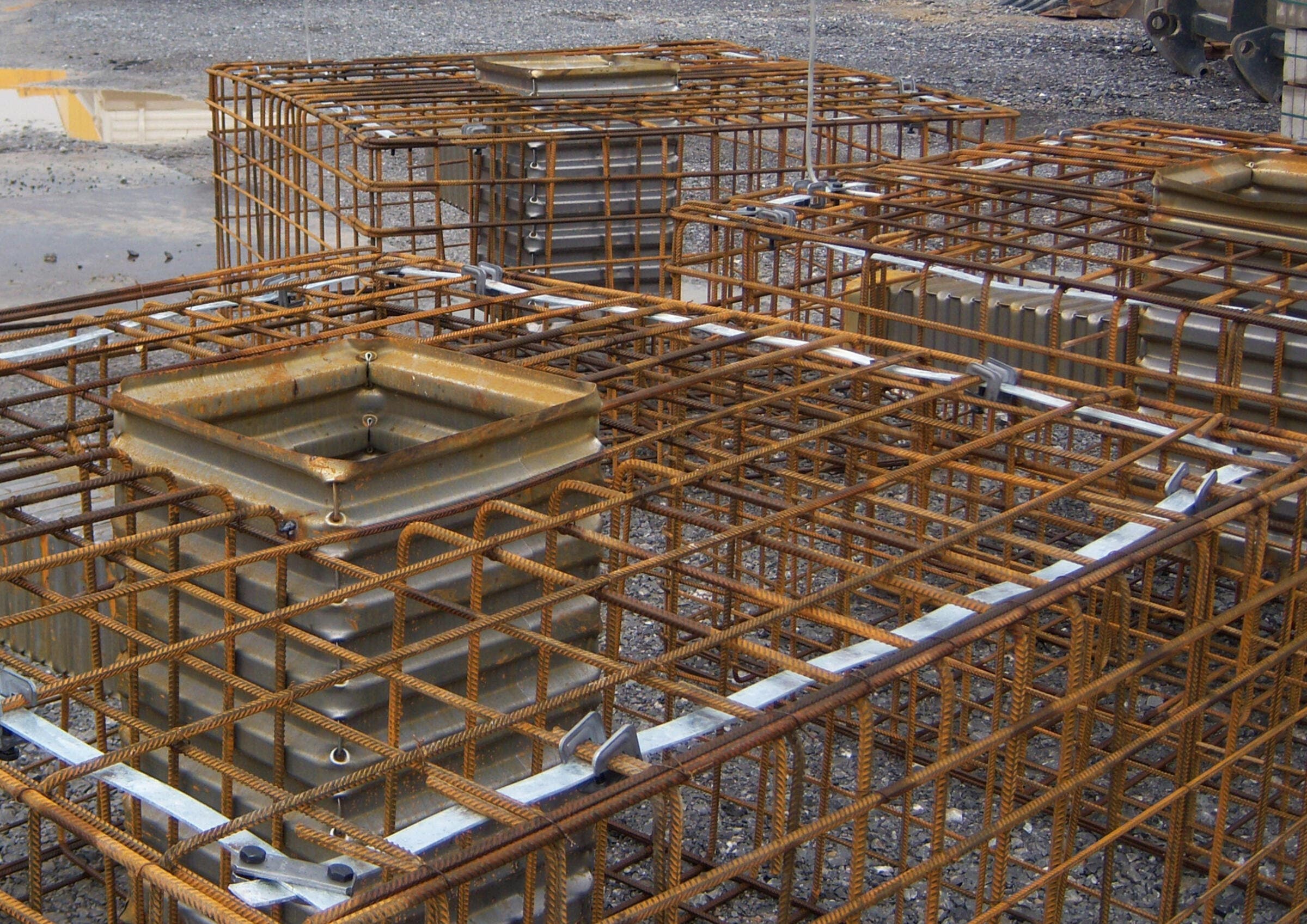
How to Choose the Right Earthing System for Your Facility
In today's electrically connected world, where facilities depend on uninterrupted power, sensitive electronics, and digital infrastructure, an effective earthing system is no longer optional. It is a critical element of safety, operational reliability, and asset protection. Whether protecting personnel from electrical shock, safeguarding equipment from fault currents, or supporting lightning and surge protection systems, the right earthing solution forms the foundation of resilient electrical infrastructure.
A well-designed electrical earthing system safely dissipates fault currents, supports lightning protection systems, enhances the performance of surge protection devices (SPDs), and minimizes the risk of equipment failure, fire hazards, and electrical shock.
Choosing the correct grounding system not only helps maintain business continuity but also ensures compliance with national and international electrical safety standards.
Why is Earthing Important?
An earthing system, also known as an electrical grounding system, provides a low-resistance path that safely carries fault current and lightning current into the earth.
Without proper grounding, electrical faults can result in:
- Electric shock hazards
- Damage to electrical equipment
- Unexpected downtime
A reliable electrical grounding system is the foundation of every safe electrical installation.
Benefits of a Proper Earthing System
A properly designed earthing system delivers multiple benefits simultaneously. It creates a safe path for fault currents, protects personnel from electrical shock, improves power system stability, enhances the performance of lightning and surge protection systems, and helps minimize costly downtime by protecting sensitive electrical and electronic equipment.
- Fire risks
- Failure of sensitive electronic systems
- Increased maintenance costs
Factors to Consider When Selecting an Earthing System
| Factor | Why It Matters | Key Consideration |
| Soil Resistivity | Soil conditions directly influence the resistance achieved by the earthing system. | Rocky, sandy, and dry soils generally require more extensive grounding arrangements than moist or clay-rich soils. |
| Fault Current Magnitude | The earthing system must safely dissipate fault currents without creating hazardous touch or step voltages. | Industrial facilities and substations may require more robust grounding systems for higher fault-current levels. |
| Lightning Risk | Sites exposed to lightning require effective dissipation of lightning currents into the earth. | Earthing should be properly coordinated with external lightning protection and surge protection systems. |
| Site Constraints | Available space and site layout can limit the type of earthing arrangement that can be installed. | Depending on the site, rod, ring, foundation, or grid earthing may provide the most practical solution. |
| Regulatory Requirements | Earthing systems must meet applicable safety, inspection, and operational requirements. | Designs should comply with relevant standards, regulations, and project specifications. |
Common Earthing Design Challenges
In practical installations, achieving the desired earth resistance value can be challenging due to:
- High soil resistivity
- Limited installation space
- Corrosive environments
- Seasonal moisture variations
- Expansion of facility infrastructure
Addressing these challenges often requires a combination of optimized electrode selection, conductor design, equipotential bonding, and ongoing testing.
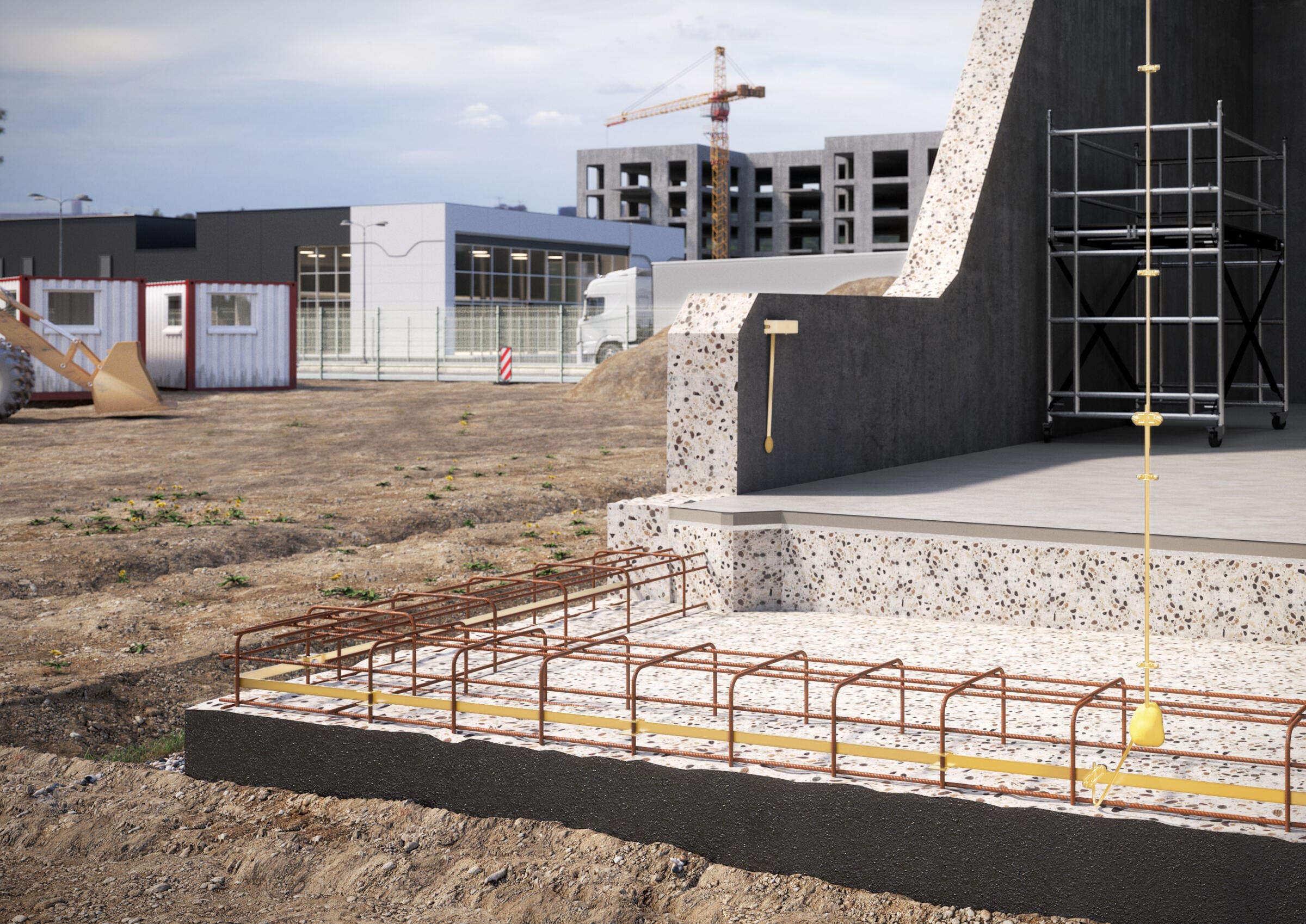
Types of Earthing Systems
| Earthing System | Description | Ideal Applications |
| Rod Earthing | Conductive earth rods are driven vertically into the soil to provide an effective grounding path. |
|
| Ring Earthing | A ring conductor is installed around the building perimeter, creating multiple grounding paths and improving fault-current dissipation. |
|
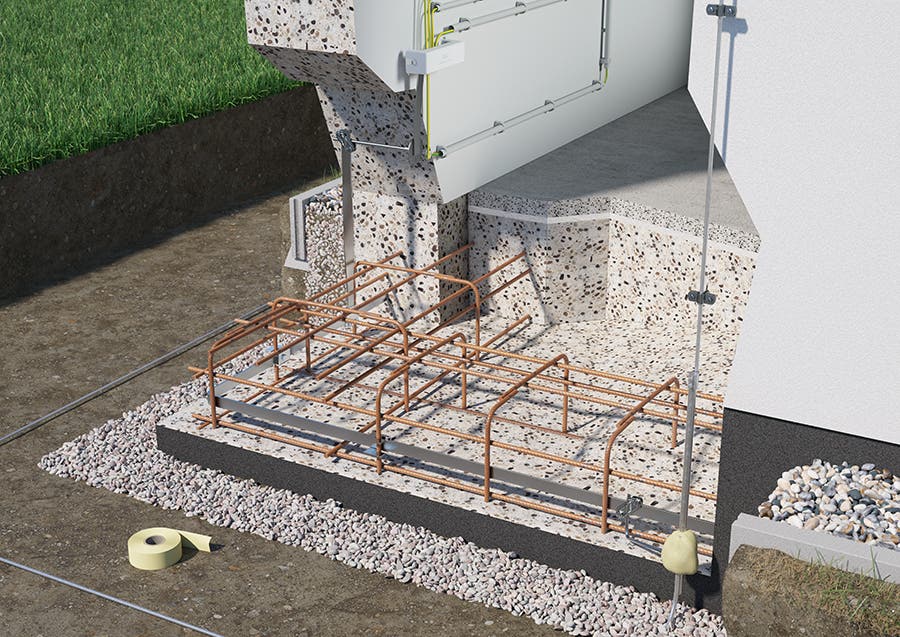
| Foundation Earthing | Also known as concrete-encased earthing, this method uses reinforcing steel or conductors embedded within the building foundation as part of the grounding system. |
|
| Grid Earthing | Interconnected underground conductors form a grounding network designed to achieve low resistance and effectively dissipate fault currents. |
|
Why Compliance Matters
An effective earthing system should comply with recognized national and international electrical standards.
Compliance helps ensure:
- Personnel safety
- Reliable electrical performance
- Regulatory approval
- Long-term operational reliability
Routine inspection, earth resistance testing, and preventive maintenance are equally important to maintain optimum grounding performance throughout the facility's lifecycle.
Components of a Complete Earthing System
A reliable electrical grounding solution includes more than just earth rods.
A complete earthing system consists of:
- Earth rods and electrodes
- Earthing conductors
- Equipotential bonding conductors
An integrated approach provides superior electrical safety and long-term system performance.
- Earth pits and inspection chambers
- Lightning protection interfaces
- Surge protection devices (SPDs)
- Earth resistance testing solutions
Why Standards Compliance Matters When Choosing an Earthing System
An earthing system is not just about installing earth electrodes—it must be designed, tested, and installed in accordance with recognized national and international standards. Standards ensure that the grounding system provides effective fault current dissipation, protects personnel, and delivers long-term reliability throughout the lifecycle of the facility.
Whether you're designing an industrial plant, commercial building, hospital, data centre, or infrastructure project, selecting a standards-compliant earthing system helps improve safety, simplifies inspections, and supports regulatory compliance.
Key Standards for Earthing Systems
Compliance with recognized standards is essential to ensure that earthing systems continue to perform safely throughout their operational life. Standards such as IS 3043 provide guidance on earthing design and testing within India, while IEC 60364 establishes requirements for low-voltage electrical installations. For facilities requiring integrated lightning protection, IS/IEC 62305 and IEC 62561 help ensure that grounding and lightning protection components perform effectively under fault and lightning conditions.
Earthing Systems and the National Building Construction Standards 2026 (NBCS) of India
The National Building Construction Standards 2026 (NBCS) of India emphasizes that electrical installations should be designed and executed in accordance with applicable Indian Standards to ensure occupant safety and fire protection. In practice, this means that earthing systems are expected to align with standards such as IS 3043 for electrical grounding, supporting safe fault-current dissipation and reducing electrical hazards in buildings.
For architects, consultants, builders, and facility owners, choosing standards-compliant earthing products helps streamline project approvals while contributing to safer, more resilient buildings.
OBO Earthing Solutions for Reliable Electrical Grounding
OBO offers comprehensive earthing, lightning protection, equipotential bonding, and surge protection solutions engineered to meet the requirements of modern electrical installations.
From earth electrodes and earthing conductors to complete electrical grounding systems, OBO products are designed to deliver reliable performance across industrial, commercial, infrastructure, and renewable energy applications.
With decades of engineering expertise, OBO supports consultants, EPC contractors, electrical designers, and facility owners with solutions that prioritize safety, compliance, and operational reliability.
Why Choose OBO Earthing Solutions?
Engineering Reliable Earthing Solutions with OBO
For more than a century, OBO Bettermann has supported industries worldwide with integrated solutions for earthing, lightning protection, surge protection, and equipotential bonding.
Rather than viewing grounding as an isolated component, OBO adopts a system-based approach that considers fault current dissipation, lightning current management, corrosion resistance, inspection accessibility, and long-term maintainability. This philosophy enables consultants, EPC contractors, facility owners, and electrical designers to implement grounding systems that support both safety and operational resilience.
OBO delivers:
- Standards-compliant earthing components
- Reliable earth electrodes and conductors
- Equipotential bonding solutions
- Lightning protection integration
- Surge protection compatibility
- Long-term corrosion resistance
- Engineering support for complex projects
- Trusted performance across industrial, commercial, infrastructure, renewable energy, and mission-critical facilities
Build Safer and Smarter Electrical Infrastructure
Choosing the right earthing system is essential for ensuring electrical safety, protecting critical equipment, and maintaining uninterrupted operations.
By evaluating facility requirements, soil resistivity, fault current levels, lightning risks, and surge protection needs, organizations can design electrical grounding systems that deliver reliable performance for decades.
Whether you're planning a commercial building, industrial plant, data center, or infrastructure project, investing in a high-quality earthing system today helps safeguard people, equipment, and business continuity well into the future.