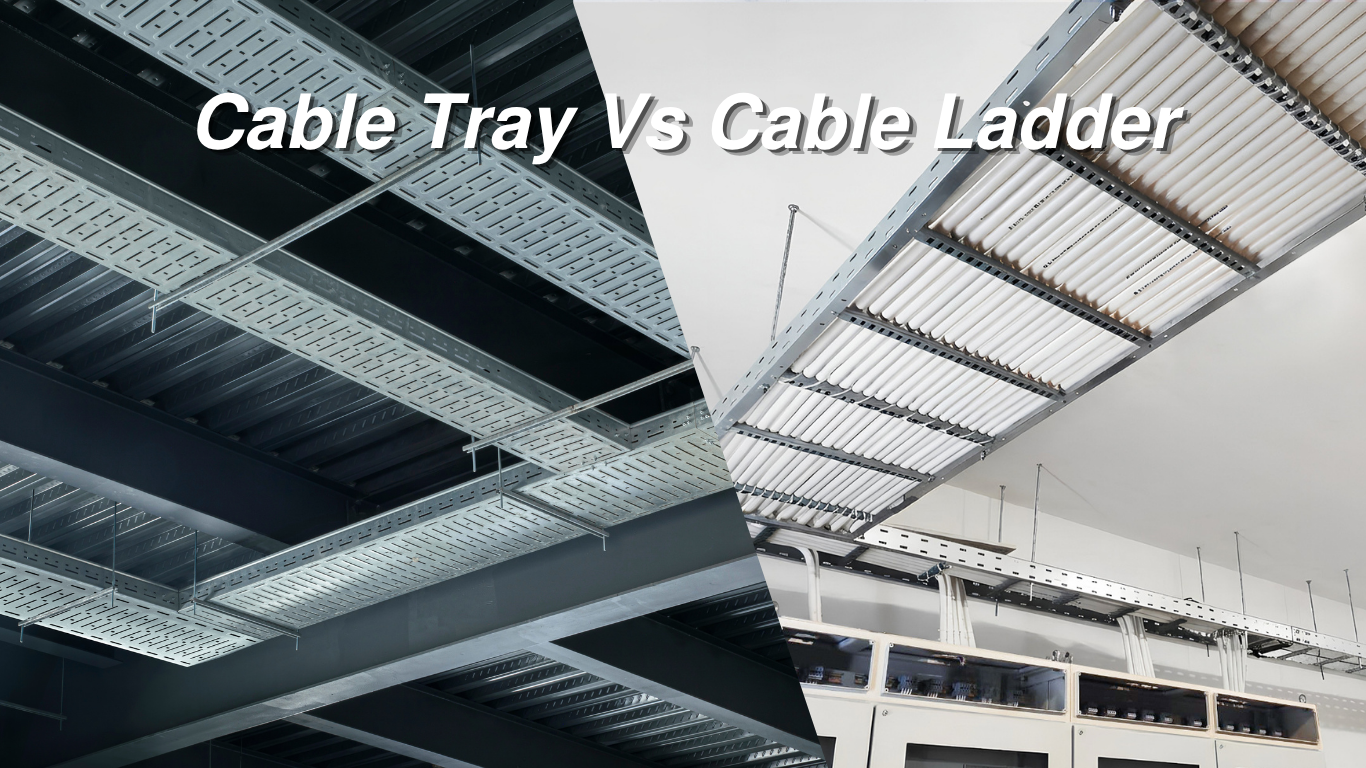
Cable Tray vs Cable Ladder: Which One Should You Choose?
In modern electrical infrastructure, choosing the right cable management system is critical for ensuring safety, efficiency, and long-term reliability. Among the most widely used systems are cable trays and cable ladders.
While both serve the purpose of supporting and routing cables, they differ significantly in structure, application, and performance. Understanding these differences will help engineers, consultants, and project managers make the right choice for their projects.
What is a Cable Tray?
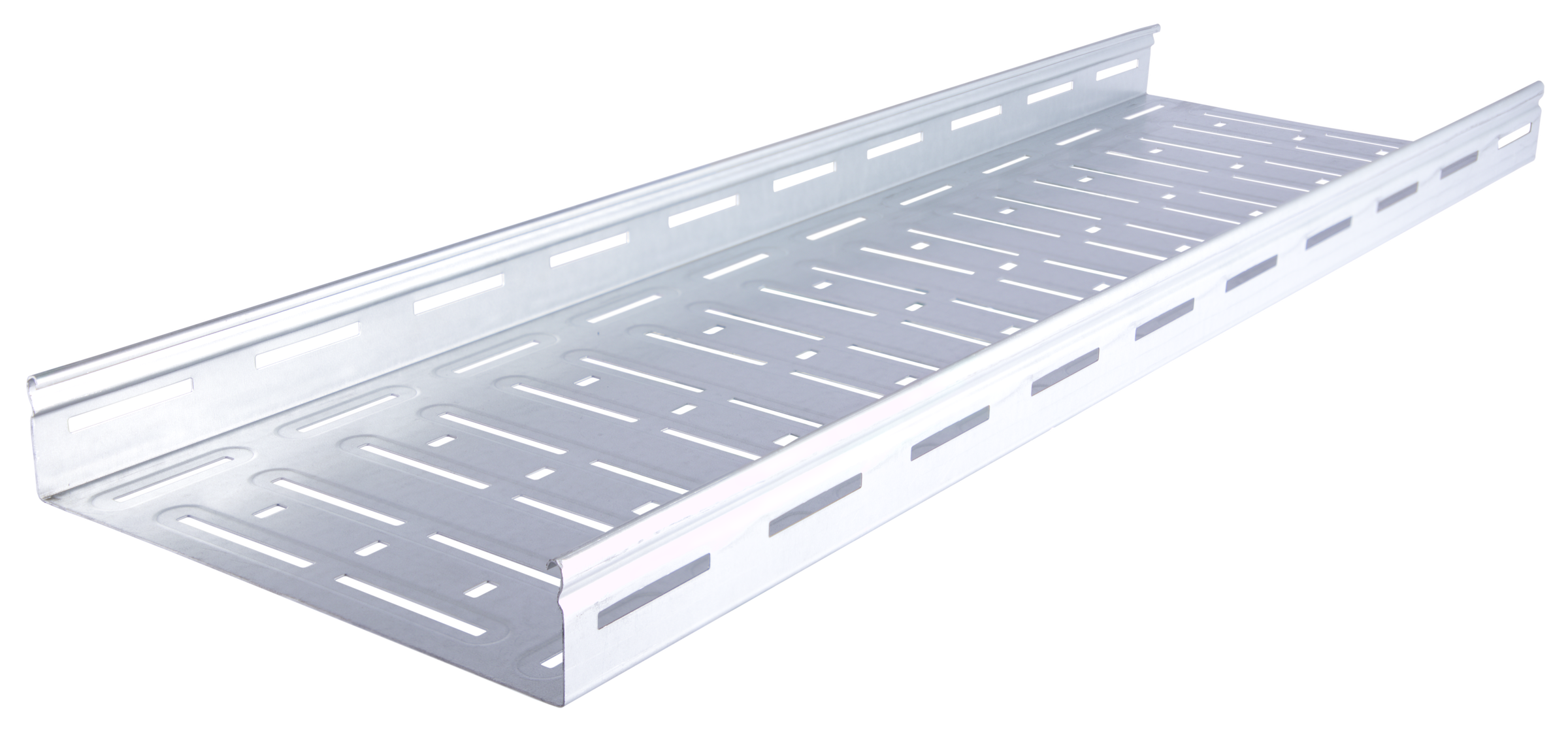
A cable tray is a structural system used to support insulated electrical cables for power distribution, control, and communication. It provides a safe and organized pathway while protecting cables from external damage.
Types of Cable Trays:
- Perforated cable trays
- Un Perforated cable trays
- Wire mesh cable trays
Key Benefits:
- Easy installation and maintenance
- Suitable for light to medium cable loads
- Better cable protection
- Ideal for indoor environments
What is a Cable Ladder?
A cable ladder consists of two longitudinal side rails connected by transverse rungs, resembling a ladder. This open design allows maximum airflow and heat dissipation.
Key Benefits:
- High load-carrying capacity
- Excellent ventilation
- Ideal for heavy-duty cables
- Suitable for harsh and industrial environments
.png?width=2400&quality=75&auto=webp)
Cable Tray vs Cable Ladder: Key Differences
| Feature | Cable Tray | Cable Ladder |
|---|---|---|
| Structure | Solid or perforated base | Ladder-type with rungs |
| Load Capacity | Moderate | High |
| Ventilation | Limited to moderate | Excellent |
| Heat Dissipation | Lower | Higher |
| Installation | Easier | Slightly complex |
| Best For |
|
|
How to Choose the Right System?
To select the right cable management system, consider the following:
- Load requirement → Heavy loads favor cable ladders
- Environment → Harsh environments need ladder systems.
- Ventilation needs → Higher heat = ladder
- Budget & installation → Trays are more economical and easier
- Future expansion → Ladders offer better scalability
Why Choose OBO Bettermann India?
OBO Bettermann India offers a comprehensive range of cable trays and cable ladders engineered for performance, durability, and compliance with global standards.
With high-quality materials, corrosion-resistant finishes, and innovative designs, OBO solutions ensure:
- Adheres to IS/IEC 61537 Standard
- OBO Ladders & Trays confirms to the limit of deflection with 1.7 times safety factor
- Safe working load for support distance upto 4 metres in case of OBO Ladders and for OBO trays it is upto 2.5 metres
- Maximum safety
- Reliable performance across industries
Conclusion
Both cable trays and cable ladders play a crucial role in modern electrical systems. The right choice depends on your project’s load requirements, environment, and operational needs.
For commercial applications, cable trays offer flexibility and protection, while cable ladders are the preferred solution for heavy-duty industrial environments.
FAQs
What is the main difference between cable tray and cable ladder?
Which is better for industrial use?
Are cable trays suitable for outdoor use?
Which system is more cost-effective?